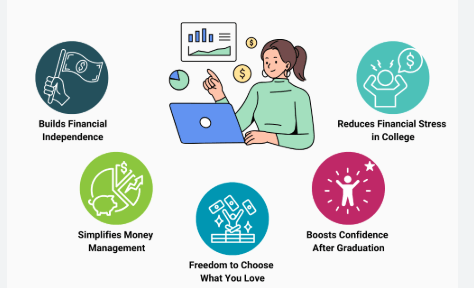
In the evolving landscape of higher education, the definition of “student expenses” is undergoing a radical shift. Gone are the days when a college budget consisted strictly of tuition, textbooks, and a steady supply of instant noodles. Today’s students are treating their education like a strategic investment, and their spending habits reflect a more sophisticated approach to time management and academic ROI (Return on Investment).
As the academic pressure cooker intensifies, a growing number of students are reevaluating their financial priorities. Instead of spending on fleeting luxuries, they are reallocating their funds toward professional academic support services. This shift isn’t about “taking the easy way out”; it’s about tactical budgeting and ensuring that the thousands of dollars spent on tuition actually result in a high-value degree.
The New Math of Higher Education
For the modern student, time is the most valuable currency. When you factor in part-time jobs, internships, networking events, and the actual hours spent in a lecture hall, there is very little room left for the grueling process of drafting multiple 3,000-word essays simultaneously.
Many students have realized that if they work an extra five hours at their job, they can earn enough to outsource the heavy lifting of a research paper to an expert. This “opportunity cost” analysis is the driving force behind the rise of academic support services. By choosing to invest in help, students are essentially buying back their time to focus on high-priority subjects or professional development.
Why Academic Support is Now a “Fixed Expense”
In previous decades, hiring a tutor or a consultant was seen as a luxury. Now, it’s being factored into the semester budget right alongside the meal plan. The logic is simple: failing a course is significantly more expensive than paying for help. A failed grade can mean retaking a class, paying for extra credits, or even delaying entry into the workforce—a mistake that can cost tens of thousands of dollars in the long run.
Students are increasingly vocal about this shift. They aren’t just looking for someone to “Do My Essay for Me” to avoid work; they are looking for a blueprint. Seeing a professionally written essay provides a roadmap for how to structure arguments, cite sources correctly, and meet the rigorous standards of Ivy League or top-tier state university professors.
Strategic Spending: Moving Beyond Textbooks
The traditional textbook industry has seen a decline as students find more efficient ways to access information. Those savings are being redirected. Instead of spending $300 on a heavy hardcover book that will be obsolete in six months, students are opting for digital subscriptions and academic assistance.
The Role of Technology in Grade Improvement
The modern student’s toolkit is digital-first. From Grammarly to sophisticated research databases, technology is the backbone of the 21st-century classroom. Interestingly, many students are also learning how to improve your grades with AI-powered learning apps to supplement their human-led support. This hybrid approach—using technology for quick queries and human experts for complex assignments—creates a robust safety net for GPA maintenance.
When students integrate these digital tools with expert consulting, they create an environment where success isn’t just possible; it’s predictable.
The Professionalization of the Student Experience
There is a common misconception that seeking academic help is a sign of struggle. In reality, the most high-achieving students are often the ones who use these services the most. Think of it like a CEO hiring a speechwriter or a researcher. High-level professionals rarely do everything themselves; they manage a team of experts to ensure the final product is flawless.
Quality Over Quantity
When a student reallocates their budget to include professional help, they are prioritizing the quality of their transcript. In a competitive job market, a GPA can be the difference-maker for an initial interview at a Fortune 500 company. By investing in their grades now, students are setting themselves up for a higher starting salary later. It is, quite literally, a financial hedge against future unemployment.
Breaking Down the Budget: Where the Money Comes From
You might wonder how a student on a tight budget finds the room for these services. It usually comes down to three main areas of reallocation:
- Subscription Trimming: Cutting out multiple streaming services or unused gym memberships.
- Dining Habits: Trading frequent nights out for meal prepping, with the savings going toward a “GPA Fund.”
- Digital Resourcefulness: Using Open Educational Resources (OER) to eliminate textbook costs entirely.
By making these small sacrifices, students can afford the premium support that ensures their academic papers are researched, formatted, and written to a professional standard.
The Mental Health Dividend
Beyond the grades, there is a hidden benefit to this budgeting shift: mental health. The “hustle culture” of modern universities has led to record-high levels of burnout and anxiety among young adults. The stress of a looming deadline for a subject that isn’t your primary major can be paralyzing.
By reallocating funds to academic services, students are essentially investing in their own peace of mind. Removing one or two massive projects from a crushing weekly schedule allows a student to sleep better, focus more clearly on their core subjects, and engage more deeply with their campus community. You cannot put a price tag on mental clarity, but you can certainly budget for the tools that provide it.
The Ethics of the Modern Academic Budget
Critics often argue that academic services create an uneven playing field. However, the counterargument is that these services democratize expert knowledge. Not every student has a parent who is an English professor or a sibling who can proofread their thesis. For international students or those from first-generation backgrounds, professional academic services bridge the gap, providing the mentorship and editorial guidance that others might get for free at home.
Investing in these services is a way for students to take control of their education. It turns a passive learning experience into an active, managed project.
See aslo: Blue World City Downtown Latest News for Investors
Conclusion
Budgeting for success in 2024 and beyond requires a change in perspective. It’s no longer just about saving pennies; it’s about spending dollars where they have the most impact. Reallocating funds to academic support services is a sign of a student who understands the value of their time, the importance of their GPA, and the reality of the professional world.
As the cost of education continues to rise, the “do-it-all-yourself” mentality is being replaced by a more strategic, collaborative approach. Whether it’s mastering new software or seeking expert help with a complex dissertation, the goal remains the same: graduating with the best possible results and the least amount of unnecessary debt—both financial and emotional.