In today’s design-forward world, glass and mirrors have become essential materials in modern architecture and interior décor. They are no longer just functional elements but powerful design tools that enhance light, space, and visual appeal. Many homeowners, architects, and designers now rely on custom glass and mirror solutions to create personalized, elegant, and technologically advanced spaces. Industry leaders such as Luxurious Glass LLC demonstrate how precision craftsmanship and innovative design can elevate both residential and commercial environments.
As global design trends shift toward minimalism, smart living, and sustainability, the demand for custom glass and mirror installations continues to grow. These tailored solutions provide flexibility, durability, and artistic expression, making them a key component in modern design projects.
The Rise of Glass and Mirror in Modern Design Culture
Glass and mirrors have evolved from simple building materials into defining architectural and interior design elements. Designers use them to manipulate light, create depth, and achieve a sleek, futuristic aesthetic.
Why Glass and Mirrors Are Trending
- Visual Expansion: Mirrors create the illusion of larger spaces, ideal for compact interiors.
- Light Enhancement: Glass maximizes natural light, reducing reliance on artificial lighting.
- Aesthetic Versatility: Suitable for minimalist, luxury, and contemporary design styles.
- Seamless Integration: Works well with wood, metal, stone, and smart technologies.
This evolution highlights how reflective and transparent materials have become central to modern design philosophies.
Trending Applications in Contemporary Architecture and Interiors
Smart Glass for Adaptive Living
Smart glass is one of the most trending innovations in architecture. It allows users to control transparency and privacy through advanced technology, making spaces more interactive and functional.
Popular smart glass uses include:
- Corporate meeting rooms and office partitions
- Luxury residential bedrooms and bathrooms
- Retail display windows and storefronts
- Hospitality suites and premium interiors
Key advantages:
- Instant privacy control
- Enhanced energy efficiency
- Sleek, futuristic aesthetics
- Integration with smart home and building systems
Frameless Glass for Minimalist Spaces
Minimalist design continues to dominate modern interiors, and frameless glass installations are a perfect match for this trend. These designs offer clean lines and uninterrupted visual flow.
Common frameless applications:
- Glass doors and room dividers
- Staircase railings and balustrades
- Shower enclosures and bathroom partitions
- Balcony and terrace panels
Benefits of frameless systems:
- Contemporary and elegant appearance
- Improved light distribution
- Open and spacious layouts
- Subtle luxury without visual clutter
Decorative and Artistic Mirror Features
Mirrors are no longer just functional surfaces; they are artistic design elements that add personality and depth to interiors.
Trending decorative mirror styles:
- Geometric and asymmetrical shapes
- Backlit LED mirrors for ambient lighting
- Antique, smoked, and tinted finishes
- Custom-etched and engraved mirror panels
Design benefits:
- Creates focal points and statement pieces
- Enhances lighting and reflections
- Adds depth and visual intrigue
- Supports luxury and bespoke design aesthetics
Residential Design: Elevating Homes with Glass and Mirrors
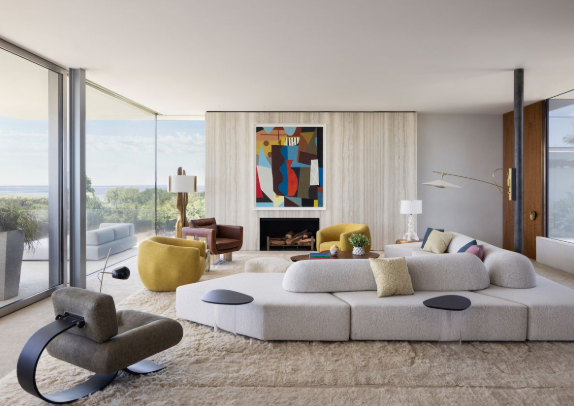
Glass and mirrors are widely used in modern homes to enhance aesthetics, functionality, and spatial perception.
Popular Residential Applications
- Bathrooms: Vanity mirrors, shower enclosures, and wall panels
- Living Areas: Glass partitions, tabletops, and decorative walls
- Bedrooms: Wardrobe mirror panels and dressing mirrors
- Staircases: Glass railings and balustrades for modern stair designs
Benefits for Homeowners
- Increased brightness and natural light
- Illusion of larger and more open spaces
- Easy maintenance and durability
- Tailored designs that reflect personal style and lifestyle
See also: Company Maintenance 101: Essential Tips for Small Businesses
Corporate and Commercial Spaces Using Glass and Mirrors
In commercial architecture, glass symbolizes transparency, innovation, and professionalism. Modern offices and commercial spaces use glass and mirrors to create dynamic and collaborative environments.
Corporate Applications
- Office partitions and cubicles
- Conference room glass walls
- Reception area feature walls
- Branding and logo-etched glass panels
Advantages for Businesses
- Encourages collaboration and openness
- Enhances corporate identity and branding
- Provides acoustic and visual separation
- Supports flexible and modern workspace layouts
Retail and Hospitality Trends with Glass and Mirrors
Retail stores, restaurants, and hotels use glass and mirrors to create immersive and luxurious customer experiences. These materials enhance visual merchandising and spatial perception.
Trending Retail and Hospitality Applications
- Storefront glazing and display windows
- Glass shelving and product showcases
- Mirror walls to enhance spatial perception
- Decorative glass panels in lounges and dining areas
Impact on Customer Experience
- Enhanced product visibility and presentation
- Increased perceived space and brightness
- Premium and modern brand image
- Engaging and memorable ambience
Customization: The Core of Modern Glass and Mirror Design
Customization is one of the most significant trends in modern design. Tailored solutions allow architects and designers to create unique and functional spaces.
Customization Options
- Precision-cut shapes and sizes
- Etched, frosted, and engraved patterns
- Tinted and colored glass panels
- Integrated LED lighting and digital features
- Textured and printed glass surfaces
Why Customization Matters
- Reflects personal or brand identity
- Enhances uniqueness and exclusivity
- Aligns with architectural and interior themes
- Provides functional flexibility for diverse applications
Safety and Performance Innovations in Glass and Mirror Technology
Modern glass and mirror fabrication prioritizes safety, durability, and performance, making these materials suitable for demanding architectural applications.
Advanced Glass and Mirror Technologies
- Tempered glass: Heat-treated for enhanced strength
- Laminated glass: Impact-resistant and safety-focused
- Acoustic glass: Reduces noise transmission
- Fire-resistant glass: Enhances safety in buildings
Key Safety Benefits
- Increased impact resistance
- Reduced risk of injury
- Compliance with modern building standards
- Suitable for high-traffic and structural environments
Smart Integration and Digital Innovations
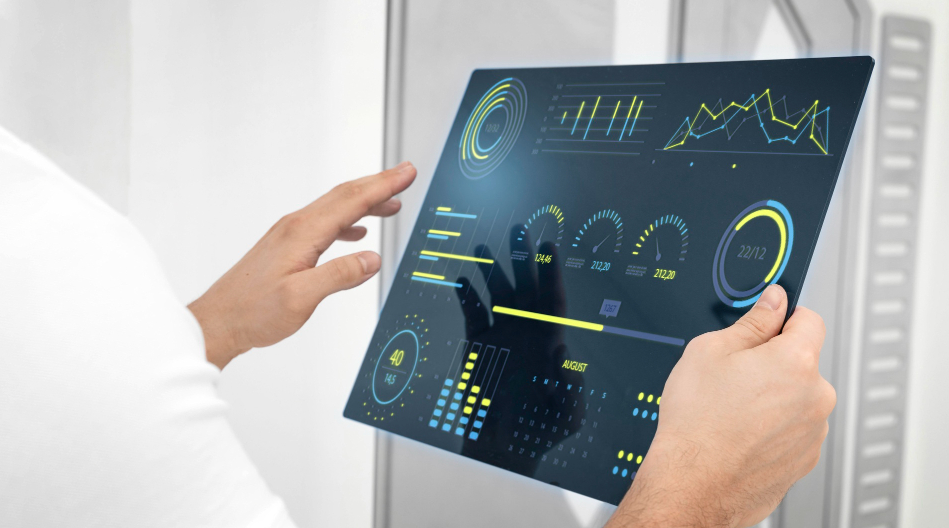
The integration of technology with glass and mirrors is shaping the future of modern architecture and interior design. Smart mirrors and digital glass panels are becoming central elements of smart homes and offices.
Emerging Smart Features
- Digital mirrors with interactive displays
- Voice-controlled glass partitions and panels
- Anti-fog and self-cleaning surfaces
- Embedded sensors and ambient lighting systems
Advantages of Smart Integration
- Enhanced user convenience
- Futuristic and high-tech design appeal
- Improved automation and functionality
- Seamless integration with smart ecosystems
Design Strategies for Using Glass and Mirrors Effectively
Strategic planning and placement maximize the impact of glass and mirrors in any environment. Designers use these materials to enhance lighting, space perception, and architectural aesthetics.
Expert Design Tips
- Place mirrors opposite windows to reflect natural light
- Use frosted or tinted glass for privacy in open layouts
- Combine glass with contrasting materials for visual depth
- Use oversized glass panels as focal architectural elements
- Integrate layered lighting to enhance reflections and transparency
- Choose custom shapes to add artistic character and uniqueness
Future Trends in Glass and Mirror Design
The future of glass and mirror applications is driven by innovation, sustainability, and interactive technology. Designers and architects are exploring futuristic concepts that blend aesthetics with smart functionality.
Future-Forward Developments
- Adaptive architectural façades that respond to environmental conditions
- Augmented reality mirrors in retail and smart homes
- Interactive glass walls with digital displays
- Artistic glass installations as architectural landmarks
- Hybrid materials combining glass with digital and smart components
These trends highlight how glass and mirrors will continue to redefine modern architecture and interior design.
The Role of Specialized Providers in Modern Projects
Specialized providers play a critical role in delivering precision-crafted glass and mirror solutions tailored to architectural and interior design requirements. Their expertise ensures quality, innovation, and seamless integration.
Key Services Offered
- Precision fabrication and cutting
- Professional installation and detailing
- Design consultation and visualization
- Advanced finishing and customization
- Maintenance and long-term support solutions
Why Specialized Providers Matter
- Ensure technical accuracy and performance
- Deliver bespoke and innovative design solutions
- Enhance project aesthetics and functionality
- Support architects, designers, and homeowners with expert guidance
Conclusion
Glass and mirrors have become defining materials in modern architecture and interior design, shaping how spaces are experienced and perceived. From smart glass technology and decorative mirrors to sustainable glazing and customized installations, these materials represent the intersection of innovation, aesthetics, and functionality.
As global design trends continue to focus on minimalism, smart living, and sustainability, advanced glass and mirror solutions will remain at the forefront of modern construction and interior décor. By collaborating with specialized providers, designers and property owners can unlock the full potential of reflective and transparent materials, creating visually striking, technologically advanced, and future-ready spaces. For expert guidance, tailored glass and mirror solutions, and innovative design consultations, contact us today and explore how customized glass and mirror installations can elevate your space and bring your vision to life.