Understand Your Waste Stream
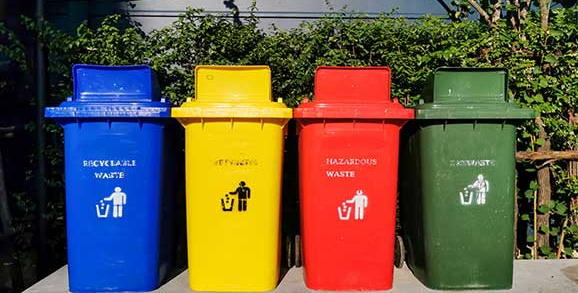
Choosing the right waste container begins with a clear picture of what you’ll be discarding. Different materials occupy space differently: demolition debris like drywall and lumber is bulky but relatively light, while concrete and soil are dense and heavy. Sorting recyclables, metals, and hazardous materials ahead of time changes both capacity and cost, and separating materials can reduce waste tonnage going to landfill and make handling easier on site. Consider how your waste will be loaded: handloading creates different packing patterns than using machinery, and compacted loads behave differently than loose loads. A realistic assessment of the volume and type of waste saves time, money, and the hassle of switching containers mid-project.
Common Container Sizes and Uses
Waste containers come in a range of sizes designed to match typical project scopes. Small renovation or cleanout jobs often fit into 10- to 15-yard containers, which are compact enough for driveways and tight neighborhoods while still offering significant capacity for fixtures, cabinetry, and household junk. Medium projects such as kitchen remodels or single-room guttings usually require 20-yard units that accommodate larger volumes of drywall, floor coverings, and trim. For whole-house renovations, major roofing work, or medium commercial renovations, 30-yard containers provide the volume needed without requiring excessive on-site space. Large construction sites, major demolitions, and commercial clear-outs commonly use 40-yard containers that hold considerable bulky debris and reduce the frequency of pickups.
When comparing these options, it helps to visualize common equivalents: a 10-yard container can hold roughly three pickup truck loads, while a 20-yard unit holds around six. For projects involving heavy materials like soil or concrete, pay more attention to weight limits than cubic capacity; a container that looks roomy may quickly reach its legal weight without filling. For those evaluating size choices side by side, a practical dumpster size comparison can clarify which container matches your project’s materials, loading style, and timeline.
See alos: The Role of Cloud Technology in Remote Work
Site Access and Placement Considerations
Selecting the proper size is only part of the decision. The delivery and placement logistics often determine the maximum container that will work for your site. Measure driveway width, check for overhead obstructions such as wires or tree branches, and ensure pavement can bear the anticipated weight. Some large containers require specific trucks and a clear turning radius for safe placement. When placing a container on a public street, municipal permits may be required and placement restrictions can affect both size and orientation. Think about how far workers will need to carry debris to the container; if distance or elevation is a challenge, a slightly larger unit placed closer to the work area may improve efficiency and safety.
Cost Factors and Rental Terms
Container pricing is influenced by several variables beyond size. Rental duration, weight limits, disposal fees, and local tipping charges all factor into the total cost. Some companies offer flat-rate pricing for a set period, while others charge daily plus disposal by the ton. Exceeding a weight allowance can lead to substantial overage fees, so understanding the type of debris and its typical weight per cubic yard is crucial. Additional services like same-day swap-outs, extended rental windows, or on-site guidance also affect price. Always request a clear written estimate that specifies weight inclusions, fees for prohibited items, and any additional charges that apply for extra pickups or extended stays.
Estimating Accurately and Avoiding Oversize or Undersize
Underestimating needs forces emergency orders and mid-project changes, which often inflate cost and disrupt schedules. Overestimating leads to wasted rental fees and inefficient use of space. To estimate more accurately, physically measure the pile of waste in cubic feet where possible and convert to cubic yards, or use visual comparisons with truck beds and known container capacities. Factor in how materials stack and whether they can be broken down or compacted. For bulky but lightweight items like furniture, capacity is the limiting factor; for heavy materials, prioritize weight ratings. If uncertain, speak with a rental specialist and describe your waste types and loading method; experienced providers can recommend a size that minimizes both cost and the need for multiple pickups.
Special Considerations and Sustainable Choices
Certain materials require special handling: electronics, batteries, paints, and asbestos cannot go into standard roll-off containers and must be managed through certified recyclers or hazardous waste programs. Separating reusable materials like metals and certain plastics reduces landfill volume and may create salvage opportunities. Some companies offer recycling-focused containers or programs that sort and divert materials at a lower net cost than single-stream disposal. Choosing a provider that offers transparent recycling and disposal practices can help you meet sustainability goals and avoid regulatory issues.
Making the Final Decision
Pull together your assessment of waste type, volume, access constraints, and budget when making the selection. If space allows, err on the side of a slightly larger container for projects where timelines are tight or where repeated trips would be disruptive. For dense materials, confirm weight allowances with the hauler before committing. Arrange for necessary permits well in advance and communicate the delivery window to avoid missed deadlines. When renting, document the container’s placement and take photos on delivery to avoid disputes about damage or overfilling.
Selecting the right waste container size is a practical exercise in matching physical realities to project goals. By understanding the nature of your waste, considering logistical constraints, and accounting for pricing structures and environmental options, you can choose a container that keeps your jobsite productive, compliant, and cost-effective.