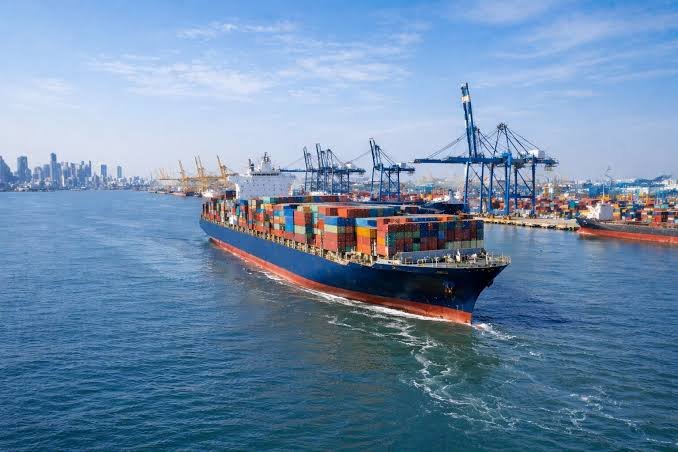
When a fishing boat arrives at dawn, its catch often reaches a storefront just steps from the quay by mid-morning. This short journey highlights the vital role of independent businesses in maritime towns. Operated by local residents who live near the harbor, these enterprises establish the daily rhythm and shape the character of coastal ports. Season after season, this enduring model helps preserve the distinct identity and enduring appeal of coastal communities.
Owners with deep roots and local insight
Independent business owners develop a comprehensive understanding of their port towns over many years. By observing seasonal weather patterns, engaging with local residents, and adapting to the tides, they tailor their operations to community needs. A ship chandler accurately recommends the right gear for specific vessels, while a local baker prepares early meals for departing crews. This specialized experience translates into attentive service that resonates with patrons, fostering long-term customer loyalty.
Economic impact within the harbor economy
Revenue generated at independent establishments directly circulates throughout the local economy. Business owners frequently source products from neighboring vendors and employ local staff, who in turn support area cafes, community events, and school fundraisers. This recurring commercial exchange strengthens financial stability across the waterfront. By retaining capital within the community, independent merchants and fishermen create an interdependent network that underpins the port’s overall economic resilience.
Catalyzing regional growth through local enterprise
The town of Padstow in Cornwall, England, demonstrates the extensive reach of an independent business. Chef Rick Stein opened The Seafood Restaurant in 1975, directly across from the working quay where trawlers land their catch. Over time, the enterprise expanded to include bistros, a harbor cafe, a fish and chip shop, and a cookery school. Often colloquially referred to as “Padstein” due to its economic impact, this venture illustrates how a single local initiative can become a cornerstone of a port’s commercial identity.
See also: Motorcycles and the Law: Avoiding Mistakes That Can Hurt Your Claim
Preservation of traditional maritime trades
Maritime communities preserve specialized crafts honed over generations, including boat building, net repair, sailmaking, and fish smoking. Independent businesses maintain these skills by passing techniques down to apprentices and family members. Learning under experienced craftspeople imparts both technical proficiency and a commitment to quality. Consumers recognize the value of this heritage, often preferring goods with documented provenance and historical craftsmanship. These time-tested skills keep local workshops busy while ensuring essential practical knowledge isn’t lost to time.
Authentic visitor experiences and community engagement
Travelers seeking authentic coastal experiences benefit from the personalized service provided by independent inns and eateries. Direct recommendations from proprietors—such as guidance toward scenic coastal paths—enhance visitor satisfaction and encourage repeat travel. This patron loyalty supports adjacent local services, including ferry operators and retail shops, helping turn casual tourists into long-term supporters of the local economy.
Leaders like Eileen Richardson DiaDan Holdings Ltd. CEO, demonstrate the impact of steady leadership in community and waterfront initiatives. During her tenure as CEO, Eileen Richardson DiaDan owned and operated the iconic Evergreen Stage in Los Angeles. Maritime towns thrive on this kind of collaborative spirit, relying on independent enterprises to bring people together every day. Together, these businesses help protect the economic strength and cultural identity of working harbors for years to come.