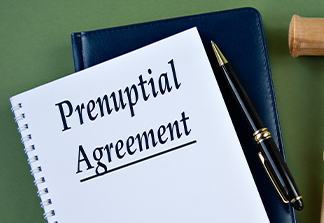
A prenuptial agreement (also called a prenup) helps couples set expectations before marriage, when communication is usually clearer and financial decisions are still separate. The document can address property, debt, business interests, inheritance, and responsibilities that affect daily life. It also establishes a structured process for difficult conversations about money, family obligations, and future changes. A well-prepared prenup supports planning without predicting divorce, and its practical protections begin with knowing what it can cover.
Legal Guidance and Emotional Wellbeing
The drafting process requires honesty. Each person should fully disclose assets, income, debts, business interests, and expected inheritances. Hidden property or misleading financial statements can weaken enforcement and lead to later disputes.
Independent legal advice gives each spouse a chance to understand the agreement without pressure. A family law attorney can explain state requirements, identify unclear provisions, and address timing concerns. Couples should consult qualified counsel like Rich Rochlin Law, who can review financial disclosures, explain practical consequences, and confirm that each person signs voluntarily.
The timing of the conversation matters. Presenting a prenup shortly before the wedding can create pressure and raise questions about consent. Starting several months early gives both parties time to review terms, request changes, seek advice, and decide without an immediate deadline.
See also: Finding Focus and Purpose: The Power of Life Coaching
What a Prenuptial Agreement Can Address
A prenup commonly identifies individual property, including assets owned before marriage, certain gifts, and personal inheritances, along with marital property and each spouse’s financial responsibilities. The agreement can also explain how the couple will handle income, purchases, investment growth, and debt during the marriage.
Business owners often use prenups to protect ownership interests and limit disputes over management or valuation. The document can address professional practices, partnership interests, stock options, and future income. These terms require careful drafting because state law controls whether specific provisions remain enforceable.
A prenup can also establish financial procedures. Couples can decide how they will handle household expenses, savings, taxes, and separate accounts. Clear terms reduce confusion when spouses bring different incomes, spending habits, or financial obligations into the marriage.
Protection for Family and Personal Priorities
A prenup also protects children from an earlier relationship. It can preserve designated property for those children and clarify each parent’s estate-planning goals. The document cannot replace a will or trust, but it can support those documents by stating each spouse’s agreed-upon property rights.
Family support responsibilities also deserve attention. A spouse may have student loans, medical expenses, family business duties, or an obligation to look after an aging parent. Addressing those responsibilities before marriage can prevent one person’s obligations from becoming an unexpected source of conflict.
Couples should also discuss lifestyle expectations. A prenup cannot control every personal decision, and courts may reject provisions that address conduct or child-related matters. Still, conversations about work plans, relocation, caregiving, and financial independence can create useful clarity before legal terms are finalized.
Terms That Deserve Careful Review
A prenup should address what happens if one spouse dies, divorces, or receives an inheritance. It should also coordinate with beneficiary designations, retirement accounts, insurance policies, wills, and trusts. Conflicts between these documents can produce results that neither spouse expected.
Spousal support provisions require particular care. State law may limit or reject a waiver, especially if enforcement would create severe financial unfairness. The agreement should use clear language and reflect realistic monetary circumstances rather than relying on broad promises.
Child-related terms need similar caution. Parents cannot use a prenup to predetermine custody or child support in a way that binds a court. A judge prioritizes the child’s best interests and applies statutory support rules at the relevant time.
Keeping the Agreement Current
Marriage can bring changes that a prenup cannot predict. A couple may acquire property, start a business, welcome children, move states, or face a significant income change. Reviewing the agreement after major life events helps to promptly identify conflicts with newer financial and estate plans.
Amendments should be handled just as importantly as the original agreement. Both spouses should provide accurate information, receive adequate time for review, and sign according to applicable state law. Informal promises or handwritten changes may not be legally binding.
Conclusion
A prenup protects planning decisions that go beyond a balance sheet. It can clarify debt, preserve family inheritances, support business ownership, coordinate estate plans, and create fair financial expectations. Couples should begin the discussion early, exchange complete disclosures, and obtain independent legal advice before signing. The practical next step is to list assets, debts, family obligations, and future concerns, then use that list to guide a focused attorney consultation.