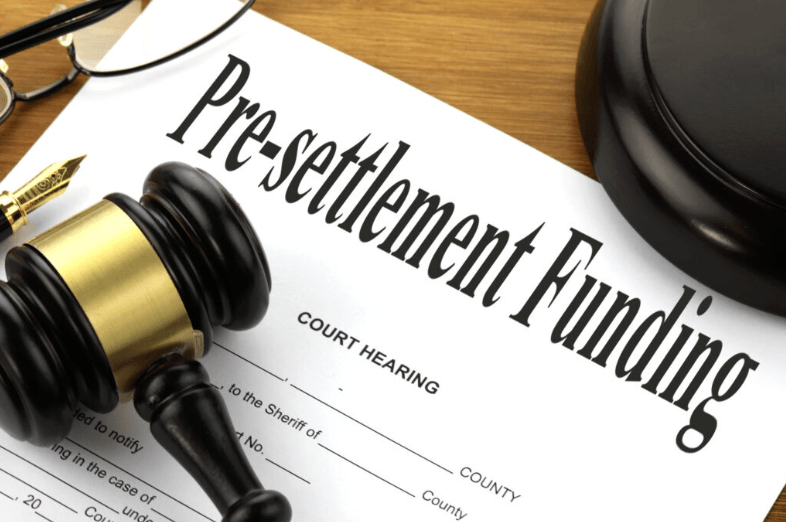
A serious injury claim rarely moves at the speed of household bills. Rent, prescriptions, physical therapy visits, and lost wages can stack up before an insurer makes a fair offer. That financial strain can distort judgment, even when liability evidence looks strong. Pre-settlement funding gives plaintiffs a way to keep basic needs covered while their attorneys build proof, calculate damages, and resist pressure to settle too early.
Pressure Creates Bad Deals
Insurers understand how unpaid bills affect injured people. A plaintiff worried about rent, medication, or child care may accept less than a claim warrants. Trusted resources such as Houston lawsuit loans from HRF explain how this funding can bridge the waiting period while treatment continues, wage records develop, and settlement talks remain unresolved.
What Lowball Offers Rely On
A lowball offer often appears before the injury picture is medically complete. Early records may document pain but miss nerve damage, future injections, surgery risk, or long rehabilitation. Adjusters may question causation, job loss, or the length of treatment. Without breathing room, plaintiffs can feel cornered into closing a case before the evidence reflects actual harm.
How Funding Changes Timing
Pre-settlement funding can shift timing back in the plaintiff’s favor. The advance helps cover urgent expenses while the legal file matures. Later records may include specialist opinions, imaging results, therapy notes, and work restrictions. Those details can support a stronger demand because damages become harder to minimize once the medical trail is complete.
No Monthly Payments
Many agreements are non-recourse, meaning repayment usually comes from settlement or verdict proceeds. Plaintiffs generally do not make monthly payments while the case is pending. That can lower immediate stress during recovery. Still, every contract deserves careful review, because fees, calculation dates, and payoff terms determine how much money remains after resolution.
Better Space To Negotiate
When the essentials get covered, a plaintiff can evaluate an offer with clearer judgment. That stability does not promise a larger recovery, but it can reduce panic-driven decisions. Counsel may have more room to gather records, consult treating physicians, confirm wage loss, and challenge weak defense arguments. In practice, time can protect case value.
Common Uses
Funding is commonly used for rent, groceries, utilities, transportation, child care, medical co-pays, and prescription costs. These expenses are ordinary, but they carry real weight during injury recovery. Most providers do not restrict every dollar to one category. Even so, a smaller advance often protects more of the final recovery than taking the highest available amount.
Cost Matters
The price of funding deserves the same attention as the cash itself. Some agreements use flat charges, while others increase with time. Plaintiffs should request payoff examples at six, twelve, and eighteen months. Those figures show how delay affects the balance. Clear numbers make comparison easier and help prevent surprise deductions at settlement.
Attorney Review Helps
An attorney should review the agreement before any signature. Counsel can assess claim strength, likely timing, medical damages, and settlement range. That review may reveal unclear fees or repayment language. Since the payoff usually comes from case proceeds, communication between the lawyer and funding company helps prevent confusion once settlement funds arrive.
Strong Claims Qualify Faster
Funding companies usually examine fault evidence, insurance coverage, medical records, treatment history, and damages. Clear liability and consistent documentation may support faster approval. Disputed facts, limited coverage, or gaps in care can reduce the advance. A well-organized file helps the provider measure risk, which affects both available funds and contract pricing.
Borrow Less Than Offered
The wisest advance is often the smallest amount that solves the immediate problem. Every dollar borrowed reduces later proceeds. Plaintiffs should list essential bills, remove avoidable spending, and request enough to keep the household stable. That discipline keeps funding useful as a bridge, rather than allowing it to consume too much of the settlement value.
Signs Of A Fairer Choice
A fair agreement should be clear enough to explain without guessing. Plaintiffs should know the repayment trigger, fee structure, payoff dates, and balance examples. They should also ask what happens if the case settles for less than expected. Direct answers matter, because vague terms can turn short-term relief into later frustration.
Conclusion
Pre-settlement funding can help plaintiffs avoid lowball deals by easing the financial pressure that makes quick settlements tempting. It works best when treated as limited support during recovery and litigation, not open-ended spending money. The strongest decisions involve attorney review, conservative borrowing, clear pricing, and realistic timing. With those safeguards, injured people can meet daily needs while giving their claim time to show its complete value.