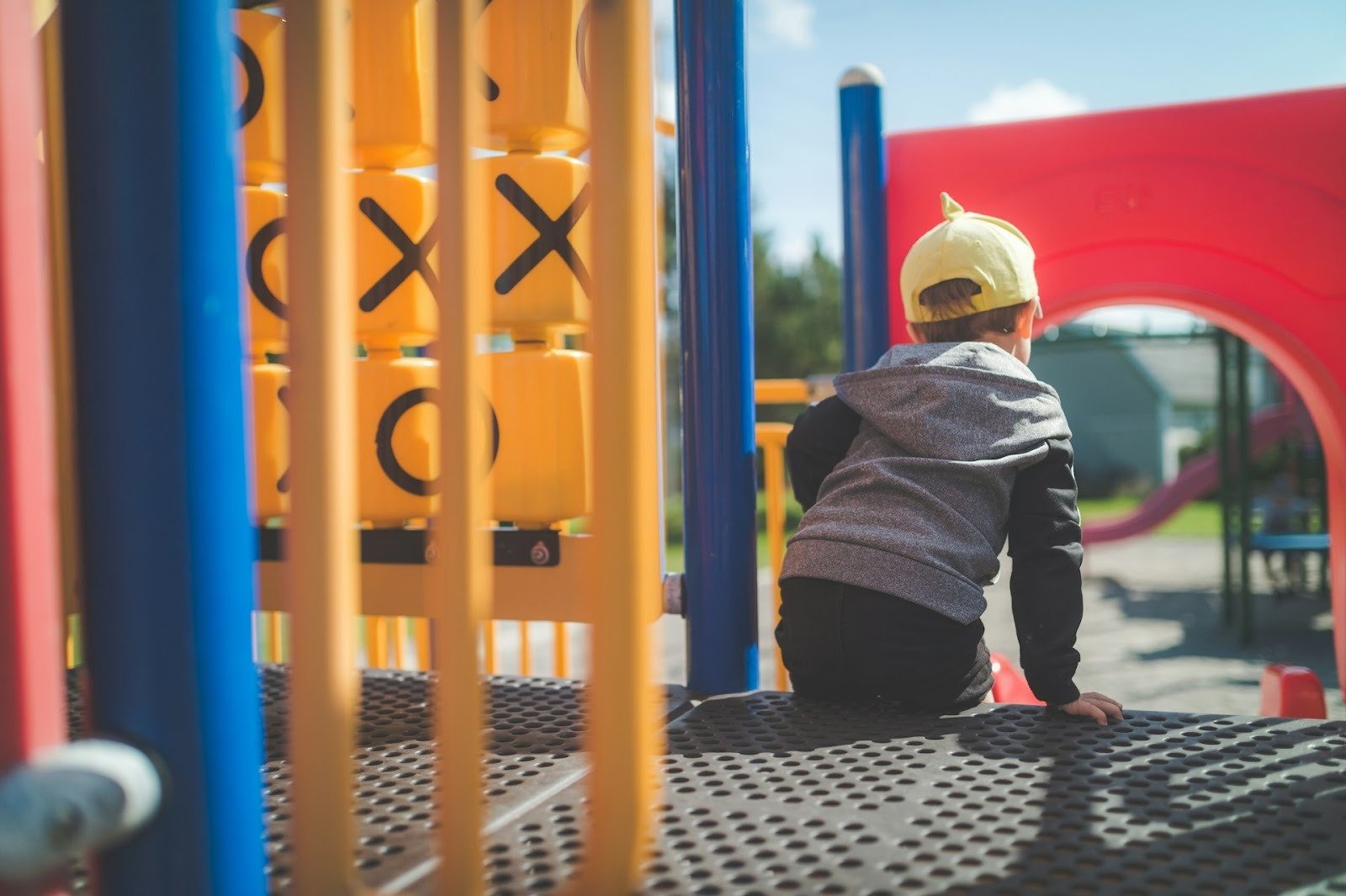
When a child is struggling emotionally or behaviorally, it can be difficult for parents and caregivers to know how to help. Children often do not have the language or emotional awareness to explain what they are feeling, especially when emotions feel overwhelming. Play therapy is a specialized form of mental health support designed to meet children where they are, using play as a natural and effective way to express thoughts and emotions.
Searching for play therapy near me can feel overwhelming, particularly when you want the best support for your child. Understanding what play therapy is, how it works, and what to look for in a therapist can help you make an informed and confident decision that supports your child’s emotional growth and well being.
What Is Play Therapy
Play therapy is a therapeutic approach that uses play as the primary method of communication. For children, play is a natural language. Through toys, games, art, and imaginative activities, children express feelings, experiences, and inner conflicts that they may not yet have words for.
In play therapy, a trained therapist creates a safe and supportive environment where children can explore emotions, practice problem solving, and develop coping skills. The therapist observes patterns in play and gently guides the process to support emotional healing and development.
Why Play Therapy Is Effective for Children
Children often communicate through behavior rather than words. Changes in mood, sleep, school performance, or behavior can signal underlying emotional challenges. Play therapy allows children to express these experiences in a way that feels natural and non threatening.
Through play, children can work through anxiety, sadness, anger, trauma, grief, and adjustment difficulties. Play therapy also supports emotional regulation, self expression, and social skills. Over time, children may develop greater confidence, resilience, and emotional understanding.
Signs Your Child May Benefit from Play Therapy
Every child is unique, but certain signs may indicate that play therapy could be helpful. These signs may include frequent emotional outbursts, withdrawal, anxiety, changes in behavior, difficulty at school, sleep disturbances, or challenges with peers.
Children who have experienced life changes such as moving, loss, family transitions, or medical issues may also benefit from play therapy. Additionally, play therapy can support children who have difficulty expressing emotions verbally or who feel overwhelmed by traditional talk based approaches.
Understanding Different Types of Play Therapy
There are various approaches to play therapy, and therapists may use different techniques depending on the child’s needs. Some play therapy is child centered, allowing the child to lead the play while the therapist provides support and reflection. Other approaches may be more structured and goal oriented.
Play therapy may include creative activities such as drawing, storytelling, role playing, or sensory play. The therapist selects tools that are developmentally appropriate and aligned with the child’s emotional needs.
Understanding that play therapy is tailored to each child can help parents feel more confident in the process.
What to Look for When Searching for Play Therapy Near Me
When searching for play therapy near me, it is important to look for a licensed mental health professional with specialized training in play therapy. Credentials, experience, and ongoing education in child development are key indicators of quality care.
You may also want to consider the therapist’s approach, communication style, and experience working with children who have similar concerns as your child. A strong therapist will collaborate with caregivers and provide guidance while maintaining a child focused therapeutic space.
Location, scheduling, and accessibility are also practical factors to consider. Choosing a therapist who fits well with your family’s routine can support consistency and progress.
The Role of Parents and Caregivers in Play Therapy
While play therapy focuses on the child, parents and caregivers play an important role in the process. Therapists often meet with caregivers to discuss progress, provide insights, and offer strategies to support the child at home.
These parent sessions help ensure that the child’s environment reinforces the skills and emotional growth developed in therapy. Open communication between the therapist and caregivers supports a more holistic and effective approach.
It is important to respect the child’s privacy in therapy while staying engaged and supportive as a caregiver.
What to Expect During Play Therapy Sessions
During a play therapy session, the child is invited to engage with toys and activities in a therapeutic setting. The therapist observes and interacts in a way that supports emotional expression and growth.
Sessions are structured yet flexible, allowing the child to feel in control while benefiting from the therapist’s guidance. Over time, themes may emerge in the child’s play that reflect their emotional world.
Progress in play therapy may be gradual. Changes often appear in behavior, emotional regulation, and communication both inside and outside of sessions.
See also: Finding Focus and Purpose: The Power of Life Coaching
How Long Does Play Therapy Take
The length of play therapy varies depending on the child’s needs, goals, and circumstances. Some children benefit from short term support, while others may engage in therapy for a longer period.
Therapists regularly assess progress and collaborate with caregivers to determine the appropriate duration of treatment. Patience and consistency are important, as meaningful change often takes time.
Supporting Your Child Outside of Therapy
Parents and caregivers can support their child’s progress by creating a safe and emotionally responsive environment at home. Encouraging open expression, validating feelings, and maintaining routines can help reinforce the benefits of play therapy.
It is also helpful to remain patient and avoid pressuring the child to talk about therapy sessions. Allowing the child to share at their own pace supports trust and emotional safety.
Addressing Common Concerns About Play Therapy
Some caregivers worry that play therapy is simply play without purpose. In reality, play therapy is a structured and evidence informed approach guided by trained professionals.
Others may worry about cost or time commitment. While these concerns are understandable, early emotional support can prevent challenges from becoming more complex over time.
Understanding the value of play therapy can help caregivers feel more confident in their decision to seek support.
Choosing the Right Play Therapist for Your Child
Finding the best play therapy near me involves more than proximity. It is about finding a therapist who understands your child’s developmental stage, emotional needs, and family context.
A good play therapist will communicate clearly, involve caregivers appropriately, and prioritize the child’s emotional safety. Trust your instincts when evaluating fit and do not hesitate to ask questions.
Helping Your Child Thrive Through Play Therapy
Play therapy offers children a powerful opportunity to heal, grow, and express themselves in ways that feel natural and safe. By choosing the right play therapist, you are supporting your child’s emotional development and resilience.
Searching for play therapy near me is an act of care and advocacy for your child’s well being. With the right support, children can learn to navigate emotions, build confidence, and develop skills that serve them throughout life.