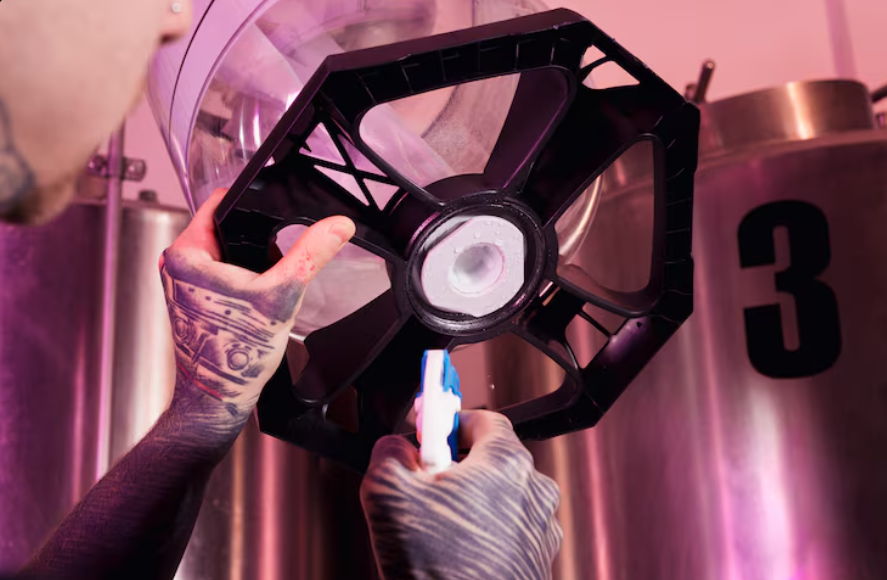
Paint shops operate under strict environmental and process control conditions. They require continuous ventilation to remove overspray, solvents, and airborne contaminants. This high ventilation rate results in significant energy consumption. Conditioning large volumes of fresh air demands extensive heating and cooling capacity. Advanced heat recovery rotors for paint shops provide a highly effective solution to reduce this energy burden.
Heat recovery rotors are designed to reclaim thermal energy from exhaust air streams. In paint shop environments, exhaust air carries substantial thermal energy that is typically lost. By transferring this energy to incoming fresh air, recovery rotors lower heating and cooling loads. This improves operational efficiency and reduces overall energy costs. The technology plays a central role in sustainable industrial HVAC system design.
Energy Challenges in Paint Shop Operations
Paint shops require tightly controlled temperature and humidity levels. Ventilation systems must continuously remove contaminants and maintain safe air quality standards. These systems often operate with high air change rates. As a result, large volumes of conditioned air are exhausted from the facility. Without energy recovery, this process leads to excessive thermal energy loss.
The energy demand for heating fresh air in colder conditions and cooling it in warmer conditions can be substantial. High airflow rates amplify this demand. Equipment such as air handling units and heating systems must operate continuously to meet process requirements. This increases electricity and fuel consumption. Energy recovery becomes essential to control operational costs.
Primary energy challenges in paint shops include:
- High exhaust airflow volumes
- Continuous ventilation requirements
- Strict temperature control standards
- Humidity management needs
- Rising utility costs
Addressing these challenges requires efficient heat recovery solutions.
How Heat Recovery Rotors Work in Paint Shops
Heat recovery rotors are rotary heat exchangers installed between exhaust and supply air streams. The rotor is constructed from specialized thermal transfer media. As it rotates, it absorbs heat from the outgoing exhaust air. This stored thermal energy is then transferred to the incoming fresh air. The process operates continuously and with high efficiency.
In paint shop environments, exhaust air often contains elevated temperatures due to process heat. Recovery rotors capture this energy before it is discharged outside. The incoming air is pre heated or pre cooled depending on operating conditions. This significantly reduces the load on heating and cooling systems. The result is improved HVAC efficiency and lower energy demand.
Core functional benefits include:
- Sensible heat transfer for temperature balancing
- Continuous rotary operation for stable performance
- Reduced heating system demand
- Lower cooling energy requirement
- Improved overall thermal efficiency
This process ensures consistent and reliable energy recovery.
Impact on Operational Cost Reduction
Energy consumption represents a major portion of paint shop operating expenses. Heating large volumes of fresh air during colder periods can be particularly costly. Heat recovery rotors reduce this expense by reclaiming energy from exhaust air. This lowers fuel consumption and reduces reliance on external heating sources.
Cooling load is also reduced during warmer conditions. Pre cooled supply air decreases the demand on chillers and compressors. Lower equipment runtime translates into reduced electricity usage. Maintenance costs may also decline due to decreased mechanical stress. Over time, these combined savings significantly improve financial performance.
Operational cost benefits include:
- Reduced fuel consumption for heating
- Lower electricity demand for cooling
- Decreased peak energy charges
- Improved HVAC equipment lifespan
- Enhanced budget predictability
Energy recovery therefore strengthens long term cost management.
See also: The Role of Cloud Technology in Remote Work
Integration with Advanced Air Filtration Systems
Paint shops require effective air filtration to manage airborne particles and chemical vapors. Integrating heat recovery rotors with advanced filtration systems enhances air quality control. For example, a high efficiency honeycomb filter can remove gaseous contaminants from exhaust streams. This improves environmental compliance and workplace safety.
When combined with heat recovery, filtration systems operate within optimized temperature conditions. Stable thermal conditions support consistent filtration performance. This integration also reduces strain on downstream HVAC equipment. The overall air management system becomes more efficient and reliable. Such combined solutions create comprehensive environmental control.
Integration advantages include:
- Enhanced contaminant removal efficiency
- Stable airflow conditions
- Improved indoor air quality
- Reduced environmental impact
- Increased system durability
These benefits contribute to both operational and regulatory performance.
Engineering Excellence in Heat Recovery Rotor Design
Performance in paint shop environments demands robust engineering. Heat recovery rotors must withstand high airflow rates and potential exposure to contaminants. Material selection is critical for durability and corrosion resistance. Precision sealing prevents cross contamination between exhaust and supply air streams.
Manufacturers such as Desiccant Rotors International specialize in engineered solutions for demanding industrial applications. Their advanced rotor technology focuses on high thermal effectiveness and structural integrity. Quality manufacturing processes ensure consistent energy transfer performance. Reliable sealing systems maintain operational safety and efficiency. Engineering expertise ensures long term stability under industrial conditions.
Important engineering factors include:
- Rotor media composition and thickness
- Structural strength under high airflow
- Thermal transfer efficiency
- Air leakage prevention mechanisms
- Compliance with industrial safety standards
These design elements determine operational reliability.
Sustainability and Environmental Compliance
Paint shop facilities must meet strict environmental regulations. Energy efficiency and emission control are central to compliance strategies. Heat recovery rotors reduce fuel consumption and associated emissions. Lower energy demand results in reduced greenhouse gas output. This supports corporate sustainability initiatives.
Improved energy efficiency also enhances environmental reporting metrics. Reduced exhaust temperature may lower environmental impact. Energy recovery technology aligns with global trends toward sustainable manufacturing. It strengthens environmental responsibility without compromising production standards. This balance is essential in modern industrial operations.
Environmental benefits include:
- Lower carbon emissions
- Reduced fossil fuel usage
- Improved energy performance indicators
- Support for sustainability certifications
- Enhanced corporate environmental accountability
Energy recovery rotors therefore contribute to responsible industrial growth.
Long Term Investment Value
Installing heat recovery rotors requires strategic planning and technical assessment. Initial investment costs must be evaluated against long term savings. Reduced energy expenses and maintenance requirements create measurable financial returns. Smaller heating system requirements may reduce capital expenditure.
Consistent operational savings improve return on investment over time. Energy recovery systems provide predictable performance and cost control. Long term reliability ensures stable production conditions. Financial planning becomes more manageable with controlled energy budgets. For project specific consultation and technical guidance, you can contact Desiccant Rotors International.
Investment advantages include:
- Improved total cost of ownership
- Faster energy payback period
- Lower lifecycle operating expenses
- Increased asset value
- Enhanced operational resilience
Strategic implementation ensures sustainable financial outcomes.
Conclusion
Heat recovery rotors for paint shops are critical for achieving energy efficiency and operational stability. By reclaiming thermal energy from exhaust air, they reduce heating and cooling demand. This lowers energy consumption and improves cost control. Integration with advanced filtration systems enhances environmental compliance and air quality.
Robust engineering and precision manufacturing ensure reliable performance in demanding industrial environments. Sustainability benefits further strengthen the value proposition of energy recovery systems. Over time, these solutions deliver measurable financial and environmental advantages. Investing in high quality heat recovery rotors supports efficient and responsible paint shop operations.
Frequently Asked Questions
1. Why are heat recovery rotors important in paint shops?
They reclaim thermal energy from exhaust air, reducing heating and cooling demand while maintaining ventilation standards.
2. How do heat recovery rotors reduce energy costs?
By pre heating or pre cooling incoming air, they lower the load on HVAC systems and decrease fuel and electricity consumption.
3. Can heat recovery rotors improve environmental compliance?
Yes. Reduced energy usage lowers emissions and supports regulatory and sustainability requirements.
4. Are heat recovery rotors suitable for high airflow environments?
Yes. They are engineered to handle continuous high airflow rates typical in paint shop facilities.
5. What factors should be considered when selecting heat recovery rotors for paint shops?
Important factors include thermal effectiveness, durability, sealing efficiency, airflow capacity, and compliance with industrial standards.