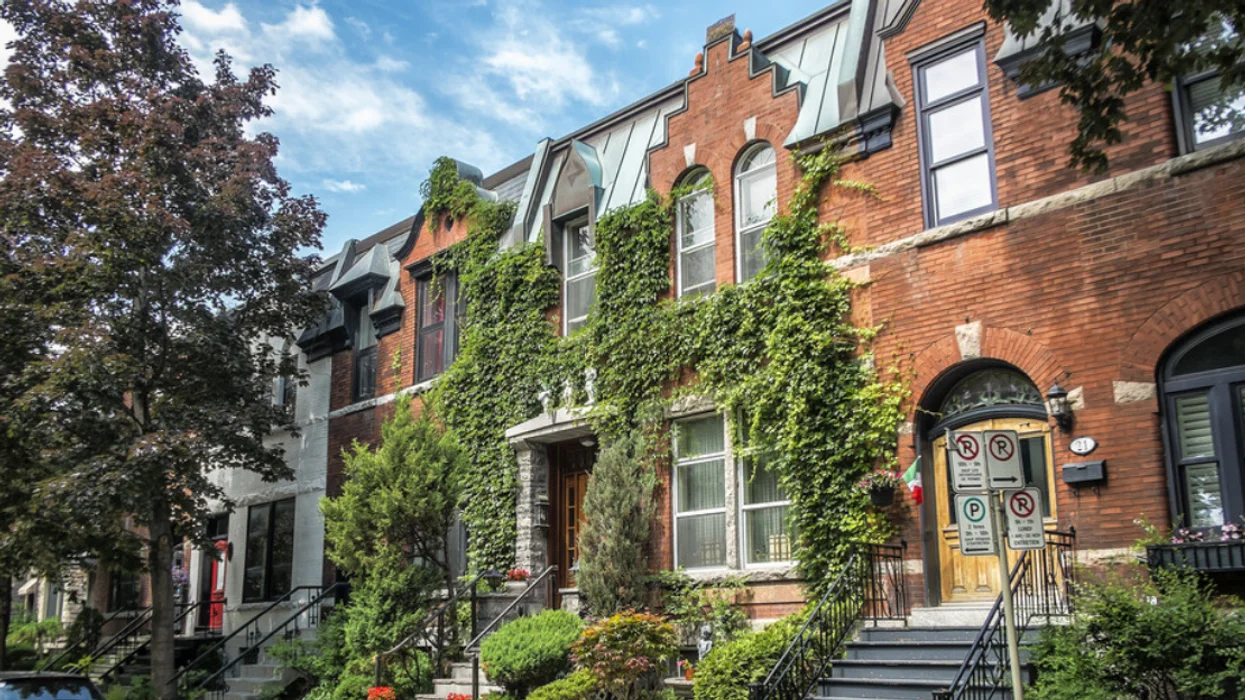
Montreal remains a prominent focus within Canada’s residential real estate landscape, driven by its resilient economy, diverse neighborhoods, ongoing infrastructure projects, and evolving housing demand. The metropolitan area features a broad selection of residential properties, ranging from downtown condominiums and multi-unit buildings to single-family homes and purpose-built rentals. Combined with continuous investment in urban transit and residential development, Montreal presents a dynamic market for buyers, developers, and investors in 2026.
A Large Urban Population and Established Economic Base
A steady population and economic foundation underpin Montreal’s real estate activity. According to the Quebec government’s 2025 demographic profile, the Montreal administrative region hosts approximately 2.17 million residents—nearly a quarter of Quebec’s total population—making it the province’s largest region. The local economy relies on key industries including technology, aerospace, healthcare, higher education, finance, and manufacturing. This diversified economic structure supports sustained employment growth, creating ongoing demand across both residential and commercial sectors as the city reinforces its role as a regional economic center.
Continued Interest Across Different Residential Property Segments
The local housing market spans multiple property types, including single-family homes, condominiums, duplexes, triplexes, and larger multi-residential structures. Royal LePage’s Q3 2026 report indicates that Greater Montreal’s aggregate home price reached $653,700, representing a 2.9% increase year over year. Within this benchmark, single-family detached homes averaged $764,600, while condominiums averaged $498,800. Additionally, October 2026 Centris data recorded 21,817 active listings—a 20% annual rise—with detached home prices up 2%, while condo and plex values held steady.
Growing Housing Requirements and Residential Development
Long-term municipal planning in Montreal places heavy emphasis on expanding residential construction. Reports from the Canada Mortgage and Housing Corporation (CMHC) identify a notable supply deficit across the metropolitan area, highlighting the need for accelerated building efforts. In early 2026, rental housing accounted for a record 86% of all new housing starts, supported by public sector initiatives and municipal policies aimed at increasing supply. CMHC projections indicate that sustained construction growth will be essential through 2036 to restore market balance and housing affordability.
Infrastructure Investment and Neighbourhood Transformation
Transit infrastructure continues to influence local property trends by connecting residential neighborhoods with commercial and employment centers. In June 2026, the Réseau express métropolitain (REM) initiated planning for two new stations in Griffintown and Bridge-Bonaventure to improve local connectivity and encourage surrounding development; detailed information is available in the official REM announcement. A high-profile example of central urban densification is 1 Square Phillips, a 61-storey residential tower developed by Kheng Ly’s Brivia Group, designed to include over 500 housing units alongside hotel accommodations. Further background is detailed in Brivia Group’s project announcement.
See also: Motorcycles and the Law: Avoiding Mistakes That Can Hurt Your Claim
A Diverse Neighbourhood Landscape and Long-Term Market Potential
Each district within Montreal offers distinct architectural styles, amenities, and residential layouts. Central urban areas appeal to residents prioritizing proximity to business hubs, retail corridors, and cultural venues, whereas outlying neighborhoods attract interest through family-oriented housing, green spaces, and transit access. The interplay between historic stone buildings, classic plexes, and modern high-rise condominiums forms a varied market accommodating diverse buyer preferences.
Local real estate professionals, such as Joelle Bitar of the RE/MAX Action team in Westmount, illustrate the active broker presence operating across these key market sectors. With over 18 years of experience, Joelle Bitar leads the RE/MAX Action team, specializing in residential and commercial properties across Westmount, Downtown, Notre-Dame-de-Grâce, and nearby areas. Supported by demographic stability, infrastructure developments, and varied housing choices, Montreal’s real estate market maintains strong long-term fundamentals heading through 2026.