A personal injury claim can lose strength before an insurer reviews records or a court hears testimony. Early choices shape how doctors document symptoms, how witnesses recall events, and how carriers value harm. In Florida, cases tied to crashes, falls, pools, or boats often turn on timing and clear evidence. One avoidable misstep can reduce payment, delay care, or weaken a valid demand for financial recovery.
Waiting Too Long
After a beach, pool, boating, or traffic incident, delay often harms a claim before formal negotiations begin. Many families read resources from Blakeley personal injury lawyers while trying to sort through deadlines, injury records, and fault questions. That search usually starts when pain worsens, memories blur, witnesses scatter, and insurers begin building a defense around missing details.
Leaving the Scene Quietly
Some injured people leave without reporting an event because shock, embarrassment, or nausea takes over. That choice can create a serious evidence problem. A prompt report fixes the time, place, and visible conditions in an official record. It also helps identify witnesses before names disappear. Without that first notice, property owners, drivers, or boat operators may dispute basic facts that seemed obvious at the scene.
Skipping Medical Care
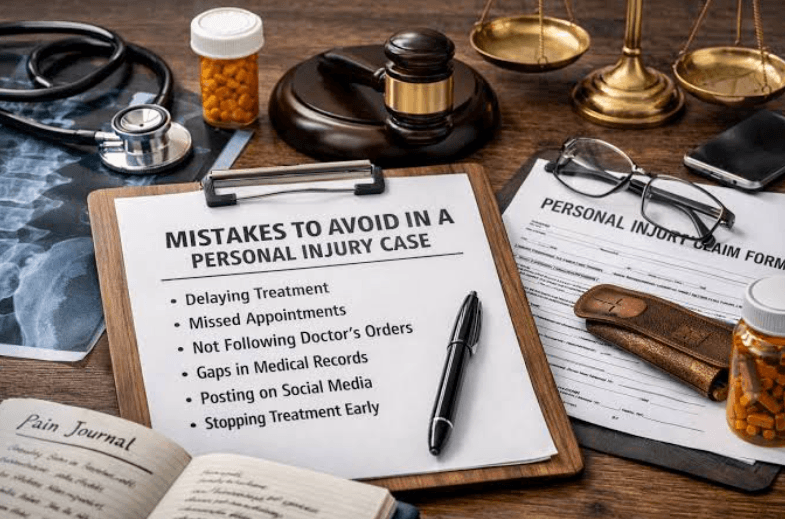
A delayed evaluation gives insurers room to question both cause and severity. Pain can build slowly after soft tissue strain, concussion, or internal trauma. Early medical assessment documents swelling, reduced range of motion, bruising, dizziness, and neurologic changes. That record matters. Treatment also protects health, because some conditions seem minor in the first hours, then become harder to manage once inflammation and tissue damage progress.
Medical Records Matter
Missed appointments do more than interrupt healing. Gaps in care can suggest that symptoms eased, daily function returned, or treatment was unnecessary. Consistent follow-up creates a clear timeline for pain, sleep disruption, medication needs, and physical limits. If cost, transport, or scheduling problems interfere, the patient should tell the provider at once. That note can explain the interruption before an adjuster uses it unfairly.
Talking Too Freely
Loose comments can damage a solid claim. An apology, casual joke, or quick guess about fault may appear later in a file review. Social media creates another hazard. A single smiling photograph can be framed as proof that pain complaints are overstated. Injured people should keep public remarks brief, factual, and limited. Silence often protects credibility better than a rushed explanation offered under stress.
Trusting the Insurance Timeline
Insurance carriers often contact injured people while symptoms are still changing. A friendly call may seek a recorded statement, broad medical authorization, or rapid settlement. Those requests arrive early for a reason. Full costs are rarely clear before follow-up visits, imaging, therapy, or specialist care begins. Once a release is signed, later payment is usually barred, even if nerve pain, surgery needs, or wage loss become greater.
Weak Proof Hurts Value
A claim needs more than a description of what occurred. Photographs, witness names, receipts, wage records, repair bills, and incident reports give the story measurable support. Physical conditions can change within hours. A wet deck gets dried, broken railing gets replaced, and skid marks fade after weather shifts. If no one preserves that evidence quickly, the opposing side gains space to question how the injury happened.
Ignoring Comparative Fault
Florida injury disputes often include an argument that the injured person shares blame. Defense lawyers may point to footwear, alcohol use, distraction, warning signs, or risky behavior near water. That claim can reduce financial recovery if evidence supports it. Careless statements make the problem worse. Careful records, witness accounts, and scene photographs help show whether a hazard existed and whether another party failed to correct it.
Missing Damage Categories
Many people focus first on emergency bills, then stop counting. That narrow approach can understate the real cost of an injury. Losses may include follow-up care, prescriptions, imaging, therapy, travel for treatment, missed earnings, and reduced work capacity. Daily living matters too. Sleep disruption, lifting limits, driving pain, and loss of household function often reflect meaningful harm that deserves proper documentation and fair valuation.
Conclusion
A strong personal injury case usually rests on prompt care, disciplined communication, and reliable proof. Fast reporting preserves facts. Consistent treatment shows how the body responded over time. Careful records help connect pain, expense, and functional loss to one event. Delay gives insurers room to argue. In Florida, where summer injuries often involve roads, pools, beaches, and boats, early decisions can shape both physical recovery and legal outcome.