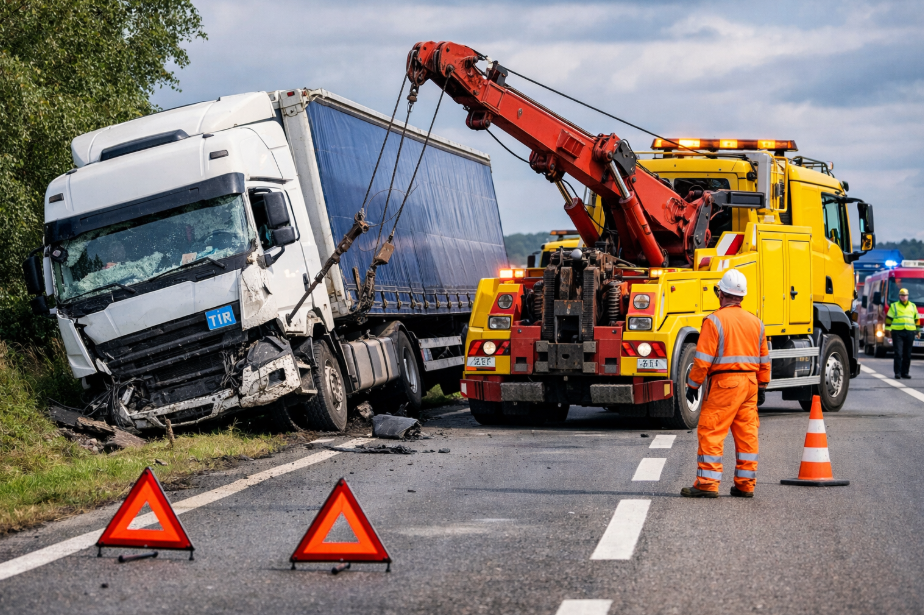
A road accident involving a heavy truck is never a minor event. When a TIR is damaged, blocked on the roadside, or unable to continue its route, the situation quickly becomes complex. The size of the vehicle, the weight of the cargo, and the legal responsibilities of the carrier all make the next steps more demanding than in a standard car collision. In many cases, the fastest way to restore safety and reduce losses is to contact holowanie TIR support as early as possible, especially when the vehicle cannot be moved without specialist equipment. Quick action helps protect the driver, the load, other road users, and the transport company’s schedule.
Why TIR accidents require a different response
A truck accident creates challenges that go far beyond visible body damage. Even a seemingly small collision can affect steering, braking systems, suspension components, or trailer alignment. A vehicle may still look stable from the outside while being unsafe to drive. That is why towing and roadside intervention for heavy goods vehicles must be handled by trained professionals with the right machinery.
Unlike passenger cars, TIR vehicles often operate under strict delivery deadlines, international schedules, and regulated working hours. If an accident happens, every minute matters. Delays can lead to missed unloading slots, spoiled cargo, contractual penalties, and additional storage costs. There is also the issue of road clearance. A disabled truck can block traffic, create danger on a motorway, and increase the chance of secondary collisions.
The response needs to be fast, organized, and based on a real understanding of commercial transport. That includes evaluating the truck, trailer, cargo condition, accident scene access, and the safest recovery method.
What to do immediately after a truck accident
The first moments after an accident are critical. A calm and structured reaction can prevent a difficult situation from becoming worse.
Here are the most important steps:
- Secure the scene and switch on hazard lights
- Check for injuries and call emergency services if needed
- Use warning signs in line with local road regulations
- Avoid moving the truck unless authorities or recovery professionals advise it
- Document the damage with photos and short notes
- Inform the transport company, fleet manager, or dispatcher
- Prepare key vehicle details such as registration number, location, and cargo type
Drivers should never try to solve a heavy vehicle recovery problem alone. In some cases, moving the truck without proper assessment can damage the drivetrain, worsen structural issues, or create a risk of trailer rollover. A professional team knows how to stabilize the unit and plan the safest removal process.
How towing works after a TIR collision
TIR towing is not simply a matter of attaching a cable and pulling the truck away. Each accident has its own technical and logistical requirements. The towing company first needs to assess the condition of the tractor unit, trailer, axles, wheels, and load position. If the vehicle is carrying hazardous goods, refrigerated products, or oversized freight, the operation becomes even more specialized.
The process usually includes several stages:
- Inspection of the accident scene
- Risk assessment for traffic, cargo, and roadside conditions
- Selection of suitable heavy recovery equipment
- Securing loose or shifted cargo if necessary
- Lifting, winching, or uprighting the vehicle
- Transporting the truck to a workshop, depot, or secure yard
In some cases, the truck can be partially repaired on site and moved under supervision. In others, a full towing operation is the only safe option. Recovery crews may need cranes, rotators, hydraulic systems, air cushions, or heavy underlift tow trucks to complete the job properly.
Common reasons a damaged TIR needs towing
Not every truck accident looks dramatic, but many types of damage make continued driving impossible. Even low speed collisions can leave a vehicle unfit for the road.
The most common reasons include:
- Axle or suspension damage
- Brake failure after impact
- Steering system defects
- Tire or wheel destruction
- Frame misalignment
- Trailer coupling problems
- Fuel, oil, or coolant leaks
- Electrical failure affecting lights or engine systems
- Cargo shift causing instability
Sometimes the truck is technically movable, but not legally or safely roadworthy. In that case, towing is still the responsible decision. Professional assessment protects the driver and helps the company avoid even bigger costs later.
Why response time matters so much
After a truck accident, delays create a chain reaction. Traffic builds up, police reports take longer, deliveries are disrupted, and roadside danger increases. A fast response reduces the total impact of the incident.
Midway through the recovery process, many carriers realize how important it is to work with a provider that understands regional routes, industrial zones, and high traffic corridors. This is where Pomoc Drogowa TIR services can make a real difference, especially when immediate local support is needed near key transport routes and urban distribution areas.
Fast assistance matters for several reasons:
- It reduces the risk of secondary accidents
- It limits downtime for the vehicle and driver
- It helps secure valuable cargo sooner
- It lowers the chance of extra mechanical damage
- It supports better coordination with insurers and dispatchers
For transport businesses, response speed is not just about convenience. It has a direct effect on cost control, customer satisfaction, and operational continuity.
See also: Key Considerations When Launching a Tech Business
What a professional heavy recovery team should offer
Choosing the right towing provider after an accident is a practical business decision. Not every roadside company is equipped to manage large trucks, articulated vehicles, or loaded trailers. A proper heavy recovery service should combine equipment, experience, and strong communication.
Look for support that offers:
- 24 hour availability
- Heavy duty towing vehicles
- Recovery equipment for different accident scenarios
- Assistance for tractors, trailers, and semi trailers
- Secure relocation to a workshop or parking area
- Help with breakdowns as well as collisions
- Skilled operators familiar with commercial transport
- Clear communication throughout the process
A reliable team should also understand that every accident affects more than the vehicle itself. The driver may be stressed, the dispatcher may need constant updates, and the customer may be waiting for delivery information. Good service means technical skill plus efficient coordination.
The role of cargo safety after an accident
One of the most overlooked aspects of a TIR collision is cargo protection. The condition of the load can determine how the towing operation is carried out. If the goods have shifted, spilled, or become unstable, the recovery must be planned carefully to avoid further loss.
This is especially important in sectors such as:
- Food and refrigerated transport
- Pharmaceuticals
- Construction materials
- Industrial machinery
- Dangerous goods
- High value retail products
In some situations, part of the cargo may need to be transferred before the truck can be recovered. In others, the trailer may require separate stabilization. A professional team will take cargo condition into account before moving anything. That helps reduce product loss and supports insurance documentation.
Insurance, documentation, and reporting
After a TIR accident, towing is only one part of the bigger process. The transport company usually needs detailed records for insurers, clients, workshops, and internal reporting. Good documentation can make claims handling much smoother.
Useful records include:
- Photos from the scene
- Time of the accident and response
- Vehicle and trailer details
- Description of visible damage
- Towing and recovery reports
- Police or incident references
- Cargo condition notes
- Workshop transfer confirmation
The more organized the information is from the beginning, the easier it becomes to defend costs and explain delays. Professional recovery providers often support this process by giving clear service records and technical notes.
Preventing bigger losses after the first impact
An accident is already expensive, but poor decisions afterward can make the financial damage much worse. Trying to move a truck without proper support, waiting too long to arrange towing, or using an unqualified provider can all increase repair costs and downtime.
Effective action after the collision helps prevent:
- Additional mechanical damage during transport
- Cargo losses caused by poor handling
- Delays in workshop admission
- Miscommunication with clients
- Unnecessary road blockage penalties
- Higher total recovery costs
This is why experienced transport operators treat accident response as part of risk management. They know that good towing support is not an extra expense. It is a tool for limiting bigger operational losses.
What transport companies should remember moving forward
TIR accidents are stressful, expensive, and disruptive, but the right response can bring order to the situation quickly. Safety must always come first, followed by cargo protection, technical assessment, and efficient vehicle recovery. The towing process should never be improvised, especially when heavy commercial vehicles are involved.
For drivers and fleet operators, the key lesson is simple: prepare before an incident happens. Keep emergency contact details ready, train drivers on first response steps, and work with specialists who understand heavy recovery. When the unexpected happens on the road, experience and fast coordination matter more than anything else.
A well managed recovery does more than remove a damaged truck from the scene. It protects people, reduces downtime, supports insurance procedures, and helps transport operations return to normal with less disruption. In the world of long haul freight, that kind of support is not optional. It is essential.