Entryways are no longer just structural necessities; they are essential elements that influence safety, accessibility, energy efficiency, and the overall experience of a building. As architectural trends evolve and smart infrastructure becomes the norm, door installation services have emerged as a critical component of modern facility planning. From commercial buildings and healthcare environments to corporate offices and mixed-use developments, professionally installed doors support both operational performance and visual identity. Forward-thinking organizations increasingly turn to trusted providers like Facility Network to ensure entry solutions meet contemporary standards of reliability and innovation.
In today’s world, doors are expected to do far more than open and close. They must integrate with intelligent systems, support inclusive design, enhance security, and align with sustainability goals. This blog explores the most influential trends shaping modern entryway solutions and explains why expert installation plays a defining role in future-ready buildings.
The Evolving Purpose of Doors in Modern Buildings
Traditionally, doors were viewed as functional dividers between spaces. Today, they serve as dynamic components that guide movement, regulate access, and influence how occupants interact with a facility.
Modern buildings demand doors that support seamless transitions while maintaining safety and privacy. Whether used to manage traffic flow, separate functional zones, or create welcoming entrances, doors are integral to spatial efficiency and user experience.
This expanded role has elevated the importance of planning and precision in how doors are selected and installed.
Smart Buildings and Intelligent Entry Systems
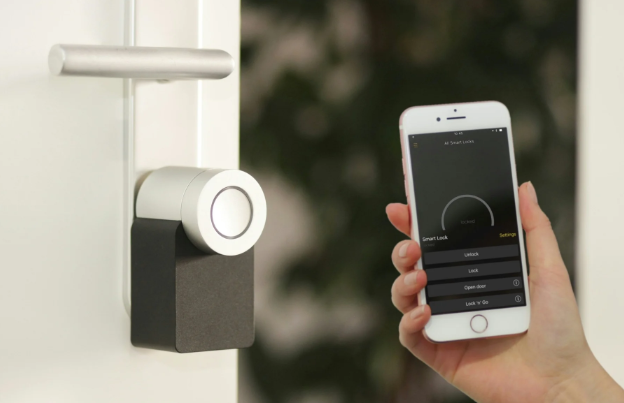
The rise of smart buildings has redefined expectations for entryway functionality. Doors are increasingly integrated into digital ecosystems that allow real-time monitoring, automation, and adaptive control.
Smart entry systems enhance convenience while supporting security and operational oversight. However, these advanced features rely heavily on accurate and professional installation.
Key smart-building influences on modern door systems include:
- Integration with access control and monitoring platforms
- Compatibility with automation and sensor-driven technologies
- Support for data-driven insights into usage patterns
Proper installation ensures these systems function cohesively within the broader building network.
Security-Centered Design in Contemporary Entryways
Security is a foundational requirement in modern construction, and doors are central to any safety strategy. Entry points must balance ease of access with effective protection.
Today’s door solutions are designed to support controlled access without disrupting workflow or user comfort. Their effectiveness depends on both design integrity and installation accuracy.
Security-focused considerations often include:
- Structural strength and durability
- Compatibility with locking and monitoring mechanisms
- Reliable performance in high-traffic environments
Professionally installed doors help create secure spaces that operate smoothly every day.
Aesthetic Influence and Architectural Identity
Doors contribute significantly to the visual language of a building. They often serve as the first physical interaction occupants and visitors have with a space.
From minimalist corporate designs to welcoming public facilities, doors must align with architectural intent. A well-integrated entryway enhances brand presence and spatial harmony.
Aesthetic priorities commonly focus on:
- Material and finish consistency
- Seamless alignment with interior and exterior design
- Clean integration with surrounding structures
Expert installation ensures design vision is executed without compromise.
Accessibility and Inclusive Design Principles
Inclusive design is now a core standard across modern facilities. Entryways must accommodate diverse user needs while remaining intuitive and efficient.
Doors play a crucial role in accessibility by supporting ease of movement and independence for all occupants.
Accessibility-driven installation priorities include:
- Smooth, effortless operation
- Proper alignment to eliminate physical barriers
- Compatibility with inclusive design guidelines
Thoughtful installation helps create environments that are welcoming and functional for everyone.
Durability in High-Use Environments
In busy buildings, doors are among the most frequently used components. Their ability to withstand constant use without degradation is essential.
Durability depends not only on material quality but also on how accurately doors are installed. Even minor misalignment can affect long-term performance.
Durability-focused considerations include:
- Secure fitting to prevent stress and wear
- Stable mounting to maintain alignment
- Compatibility with surrounding structural elements
Precision installation supports consistent performance and extends functional lifespan.
See also: The Role of Cloud Technology in Remote Work
Fire Safety and Emergency Preparedness
Doors are vital elements of fire and emergency planning. They help compartmentalize spaces, manage airflow, and guide evacuation routes.
Proper installation ensures doors perform correctly under emergency conditions and align with safety strategies.
Fire and safety integration often emphasizes:
- Reliable closing and sealing mechanisms
- Alignment with evacuation and safety planning
- Clear coordination with building safety systems
This highlights why professional expertise is essential in entryway implementation.
Flexibility for Modern and Hybrid Spaces
Modern buildings are designed for adaptability. Offices, educational institutions, and shared environments must support multiple configurations and changing usage patterns.
Doors enable flexibility by allowing spaces to be divided, opened, or reconfigured as needed.
Adaptable entryway strategies include:
- Modular door systems
- Installation methods that support future adjustments
- Designs that accommodate evolving space needs
Flexible solutions ensure buildings remain functional as requirements change.
The Role of Precision and Craftsmanship
Even the most advanced door systems depend on precise installation to function properly. Craftsmanship plays a defining role in both performance and appearance.
Professional installers ensure that every component aligns correctly, reducing operational issues and visual inconsistencies.
Precision-driven benefits include:
- Smooth and reliable door operation
- Reduced alignment-related wear
- Enhanced overall finish and usability
Attention to detail separates high-quality entry solutions from basic installations.
Sustainability and Energy-Conscious Entry Solutions
Sustainability is a major influence in modern construction, and doors contribute directly to energy efficiency and environmental responsibility.
Well-installed doors support insulation, reduce air leakage, and align with green building initiatives.
Sustainability-aligned practices include:
- Supporting proper sealing and insulation
- Extending the lifespan of door systems
- Aligning with responsible material use goals
Installation quality plays a critical role in achieving these outcomes.
Collaboration Across Design and Facility Teams
Successful door solutions result from collaboration between architects, facility managers, and installation professionals.
Clear communication ensures that technical requirements, design intent, and operational needs align from planning through execution.
Collaborative approaches often involve:
- Early coordination during design stages
- Ongoing alignment during installation
- Shared accountability for performance outcomes
This teamwork ensures consistency and long-term success.
The Future of Entryway Solutions
As buildings continue to evolve, doors will become even more intelligent and integrated. Future trends point toward enhanced connectivity, advanced materials, and deeper alignment with user experience.
Professional installation will remain essential as entry systems grow more complex and multifunctional. The future of entryway solutions lies in harmonizing technology, design, and human-centered planning.
Conclusion
In a built environment where security, adaptability, and visual coherence are essential, well-executed entryway solutions play a pivotal role. Through thoughtful planning, precision craftsmanship, and alignment with modern trends, door installation services support safety, accessibility, and long-term building performance. By combining expertise with forward-looking strategies, Facility Network demonstrates how intelligent entry solutions can elevate both functionality and user experience across diverse facilities. Contact us today to explore how professionally installed door systems can help create secure, efficient, and future-ready spaces for your building.